 ETHORITY®
ETHORITY · TRANSFORMATION & IMPLEMENTATION · PRICED AFTER SCOPING
US$2.67tn on AI in 2026. Now make it run.
Take AI beyond the pilot: bounded pilots, workflow and agent implementation, operating-model design and continuous optimisation, each scoped with named partners and measured against a baseline.
- US$2.67tn
- worldwide AI spending forecast for 2026Gartner, Sep 2026
- 5
- transformation products, each scoped by proposalETHORITY product portfolio, 17 Oct 2026
- 961
- AI offerings in the October 2026 study · 485 profiles in the online catalogueGood AI Prism, Oct 2026
- 2 Dec 2027
- Annex III high-risk obligations of the AI Act applyReg. (EU) 2026/1744 · White & Case, Aug 2026 · whitecase.com ↗
Spending is not the problem. Running is.
Global AI spending reaches US$2.67tn in 2026; the gap is between purchase and operation.
Gartner, Sep 2026
Five transformation products, one discipline.
Each starts from a baseline, names owners and agrees when to stop.
ETHORITY product portfolio, 17 Oct 2026
Implementation now has a regulatory clock.
High-risk systems built in 2026 and 2027 must meet Annex III duties from 2 December 2027.
White & Case, Aug 2026
Transformation products
Controlled AI Pilot
Fee configured to agreed scope
A bounded workflow tested against a baseline, success thresholds and agreed stopping conditions. Scoped by proposal.
Scope and delivery by agreement
See what this package includes →Workflow & Agent Implementation
Fee configured to agreed scope
Workflow design, permitted tools, testing and handover in one implementation scope, delivered with named partners.
Scope and delivery by agreement
See what this package includes →AI Business Operating Model Design
Fee configured to agreed scope
The work, responsibilities and decision rights needed to put AI into a running operating model.
Scope and delivery by agreement
See what this package includes →Enterprise Transformation Programme
Fee configured to agreed scope
Programme responsibilities, dependencies and review stages connected across an enterprise AI portfolio.
Scope and delivery by agreement
See what this package includes →Continuous Optimization Programme
Fee configured to agreed scope
Operating evidence used to prioritise improvements and to review their effect, quarter by quarter.
Scope and delivery by agreement
See what this package includes →Platforms transformation work runs on
Implementation happens on real platforms. Three profiles from agent, process and developer tooling show the operating facts a scope records.
Beam AI
Beam AI · Platform
Beam AI runs enterprise AI agents on graph-based workflows that mix fixed steps with LLM nodes, pausing at consent nodes for human approval and drawing on 1,500+ prebuilt connectors.
- How it is billed
- Where data is stored
- Does it train AI on your data?
- Certificates and audit reports
Appian Agent Studio
Appian · Platform
Agent Studio lets Appian designers configure AI agents that follow prompt instructions and call tools, MCP servers and Appian process models to route cases, update records and start workflows.
- How it is billed
- Where data is stored
- Does it train AI on your data?
- Certificates and audit reports
GitLab Duo Agent Platform
GitLab · Platform
GitLab's agent layer for GitLab.com, Self-Managed and Dedicated where agents and flows turn issues into merge requests, review code and fix CI/CD pipelines, billed via GitLab Credits.
- Published price
- How it is billed
- Does it train AI on your data?
- Certificates and audit reports
Why transformation stalls
AI does not scale by itself. Redesign the work.
Start with one objective, choose the simplest approach for each task and measure the cost of every result you accept.
See the map on one page →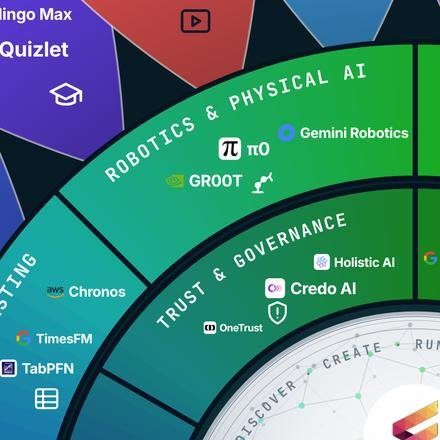
AI-first means changing how you work, not counting tools.
What has to change across the organisation: strategy, work, decision rights, knowledge, evidence and leadership.
See the map on one page →
Saved hours are not AI value.
Separate a better task, freed-up time and a business result, so you can show the value AI really delivers.
See the map on one page →Test your numbers first
Every scope starts with a baseline: Capacity Conversion and total cost set it, the Journey Planner sequences it. All tools sit in the ETHORITY AI calculator suite.
Capacity Conversion calculator
Shows how much of the time AI saves becomes money, including the 36-second checking test as a Scenario.
Pilot version · Scenario calculator
Open the calculator →Total Cost of AI Ownership calculator
All six cost blocks over 36 months, compared with today's cost per accepted result, and the month the investment pays back.
Pilot version · Scenario calculator
Open the calculator →AI Journey Planner
A plan from the first idea to scaling up, with milestones, owners, checkpoints and the EU AI Act dates in that period.
Pilot version · Scenario calculator
Open the calculator →Sten Franke leads every project.

Sten Franke
Founder & CEO
Sten Franke designs and builds AI systems, from model testing and cloud setup to the interfaces people use. He connects business decisions, software architecture and practical implementation.
AI architecture · Model testing · Cloud engineering · UX
His work spans programming, LLM evaluation, Google Cloud and AWS environments, and web applications built with Next.js and React. He connects business requirements, software architecture and practical implementation. Creator of the Good AI Prism, he brings market intelligence into AI decisions. Earlier, he created the Social Media Prisma, led a BVDW Social Media working group and contributed to its Social Media Kompass. His entrepreneurial work includes ethority, Gridpatrol and mediatime, following a practical foundation in electronics and industrial robotics.
sten@ethority.aiQuestions buyers ask
Who builds the software?
Implementation is delivered with named partners and ETHORITY's own AI systems where they fit. Each scope names who builds, who reviews and who signs off.
Where should we start?
Usually with a decision: an AI Opportunity Case or an AI Trust Record. Transformation follows a decision; it does not replace one.
How is a transformation priced?
Each product is scoped by proposal, because effort depends on the workflow, the systems and the partners involved.
What does Pilot status mean?
The products are offered and scoped with first clients now; each scope states what is delivered, by whom and how it is measured.
How is success measured?
Against a baseline set before work starts: handling time, quality, cost and the stop conditions agreed in the scope.
Next step
Discuss a scope in a 30-minute call. If the decision is still open, start with the AI Trust Pilot for one use case.
ETHORITY · LONG READ
Why AI stalls after the pilot, and what implementation has to add
Organisations have bought AI faster than they have learned to run it. Transformation and implementation close that gap with bounded pilots, real workflows, clear decision rights and evidence about what changed.
Global AI spending reaches US$2.67tn in 2026, according to Gartner. Very little of that money buys a finished outcome. It buys licences, compute, consultants and pilots. Whether any of it changes how work is done depends on a step that rarely gets its own budget: implementation in the real workflow, with the people who do the work, under the controls the organisation already has.
The insight on why AI does not scale by itself sets out the pattern. Pilots succeed in a protected corner and stall when they meet the real process: exceptions, approvals, data access, and the colleague who has to check the AI's output at five o'clock on a Friday. The transformation class exists for that moment.
Five products, one discipline
The Controlled AI Pilot tests one bounded workflow against a measured baseline, with success thresholds and stop conditions agreed before it starts. It is the operational sibling of the AI Trust Pilot: the Trust Pilot proves whether a use case should continue; the Controlled Pilot puts it into a working process.
Workflow & Agent Implementation connects workflow design, permitted tools, testing and handover in one scope. The design names what the agent may do on its own, what it may only propose and where a person decides. Testing covers the exceptions, not only the happy path. Handover includes the people who will run it.
AI Business Operating Model Design defines the work, responsibilities and decision rights needed to run AI across a function. It is the organisational counterpart to the AI Governance Setup: governance decides how AI is approved; the operating model decides how work is done once it is.
The Enterprise Transformation Programme connects responsibilities, dependencies and review stages across a portfolio of initiatives, so that ten pilots in ten units become one programme with one view of value and risk. The Continuous Optimization Programme uses operating evidence, such as error rates, review times and adoption, to prioritise improvements and to check whether they worked.
Start from a decision
Transformation follows a decision; it does not replace one. Most scopes start from an AI Opportunity Case that recommended "start" or "test first", from an AI Estate Audit that marked an item "scale", or from a Blueprint whose roadmap names an implementation step. Starting there means the baseline, the owners and the stop criteria already exist.
Measure what changed, not what was saved
The most common error in AI implementation is to measure hours saved and call it value. The insight on why saved hours are not AI value explains why: time freed in one step often reappears as review time in the next, and only a change in output, quality or cost per case shows real effect. A customer-service Scenario makes the point: a best case of +€11,336 turns into −€1,624 when each AI-written reply needs 36 more seconds of checking. Every transformation scope therefore measures the baseline first and reports against it.
Delivery with named partners
Implementation needs builders. ETHORITY delivers transformation work with named partners and with its own AI systems where they fit, and each scope states who builds, who reviews and who signs off. The products are offered and scoped with first clients now, which is why they carry Pilot status. Prices are set by proposal, because effort depends on the workflow, the systems and the partners involved.
The regulatory clock
Implementation now runs against a deadline. Systems in Annex III areas, such as recruitment, credit and essential services, must meet the high-risk duties from 2 December 2027, as the Omnibus regulation of July 2026 set out. A workflow built in 2026 without the evidence trail those duties require will be rebuilt in 2027. Building the trail in from the start costs less.
Where the market fits
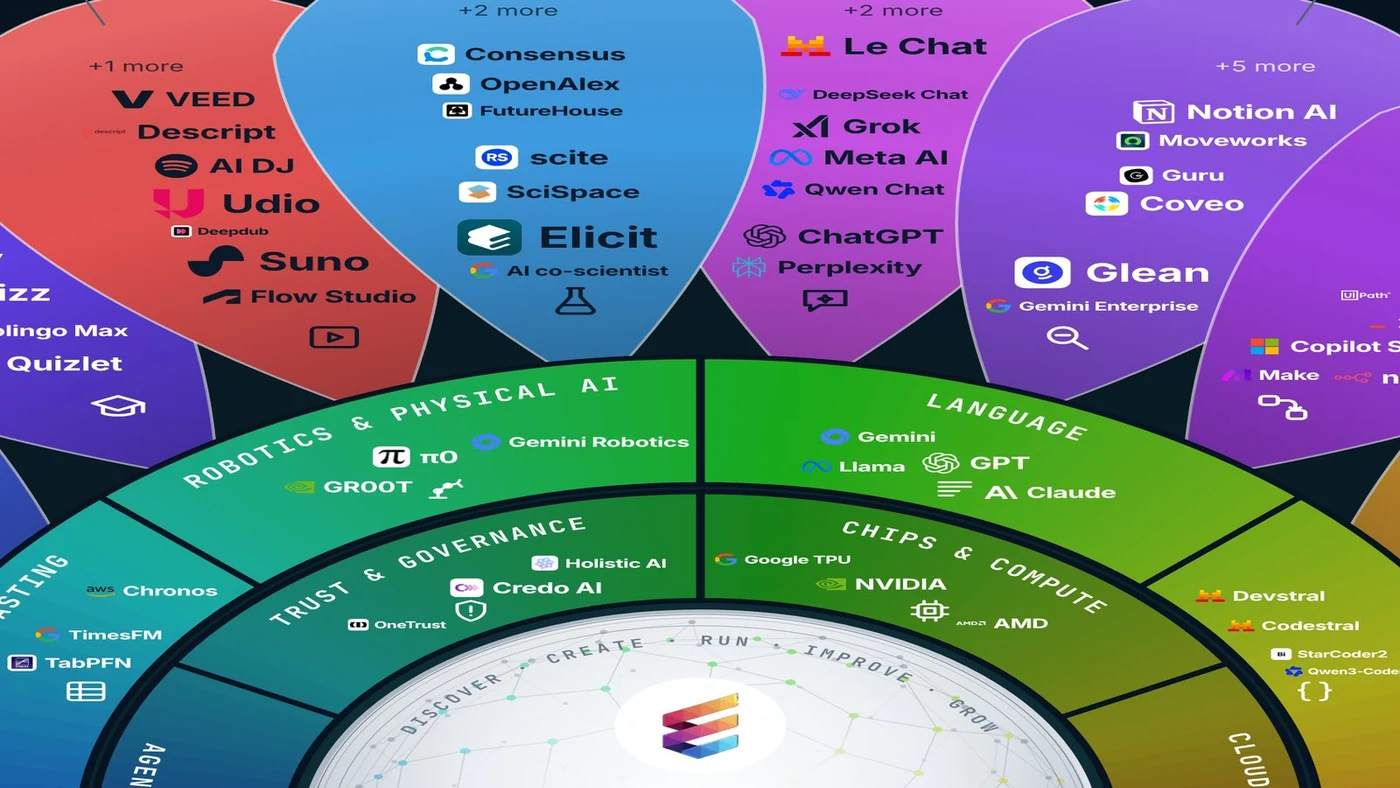
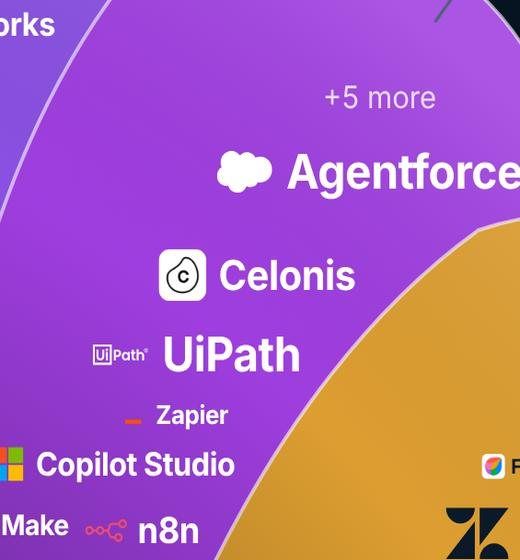
Every implementation choice is also a market choice. The documents and workflow agents area of the Good AI Prism shows the platforms most scopes consider, with dated facts on deployment, data location and integrations. A scope that compares those facts before building avoids discovering a data-location problem after go-live.
The outcome of good transformation work is quiet. A process runs with AI in it, people know what the AI may do, the evidence shows what changed, and the next improvement is already on the list.
Sources and further reading
YOUR NEXT STEP
Discuss your question with Sten Franke.
Bring your business question or the figures you already know. ETHORITY investigates within the agreed scope; together with Sten Franke you agree the next piece of work.