 ETHORITY®
GOOD AI PRISM · TOPIC AREA · IT & SECURITY OPERATIONS
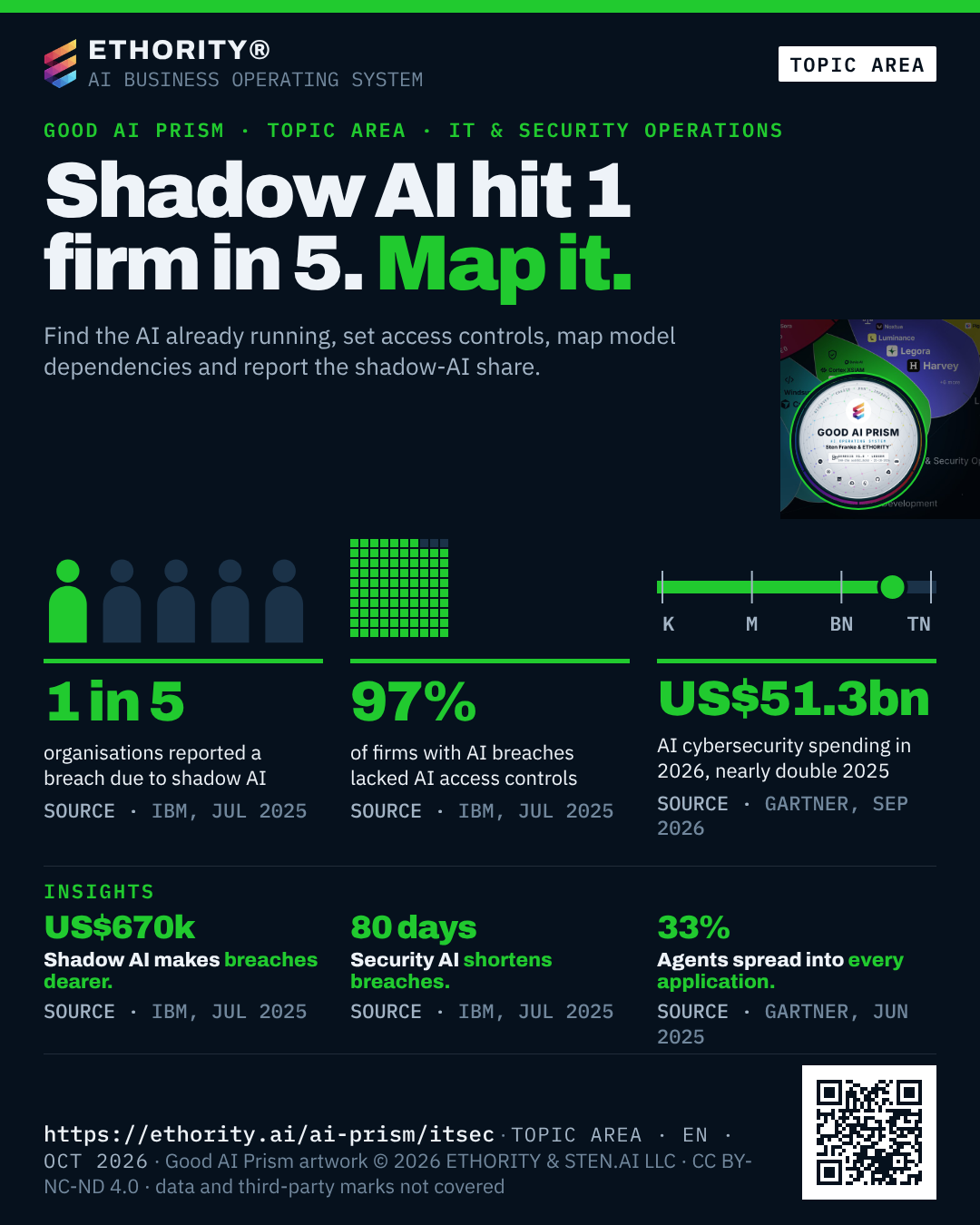
Shadow AI hit 1 firm in 5. Map it.
Find the AI already running, set access controls, map model dependencies and report the shadow-AI share.
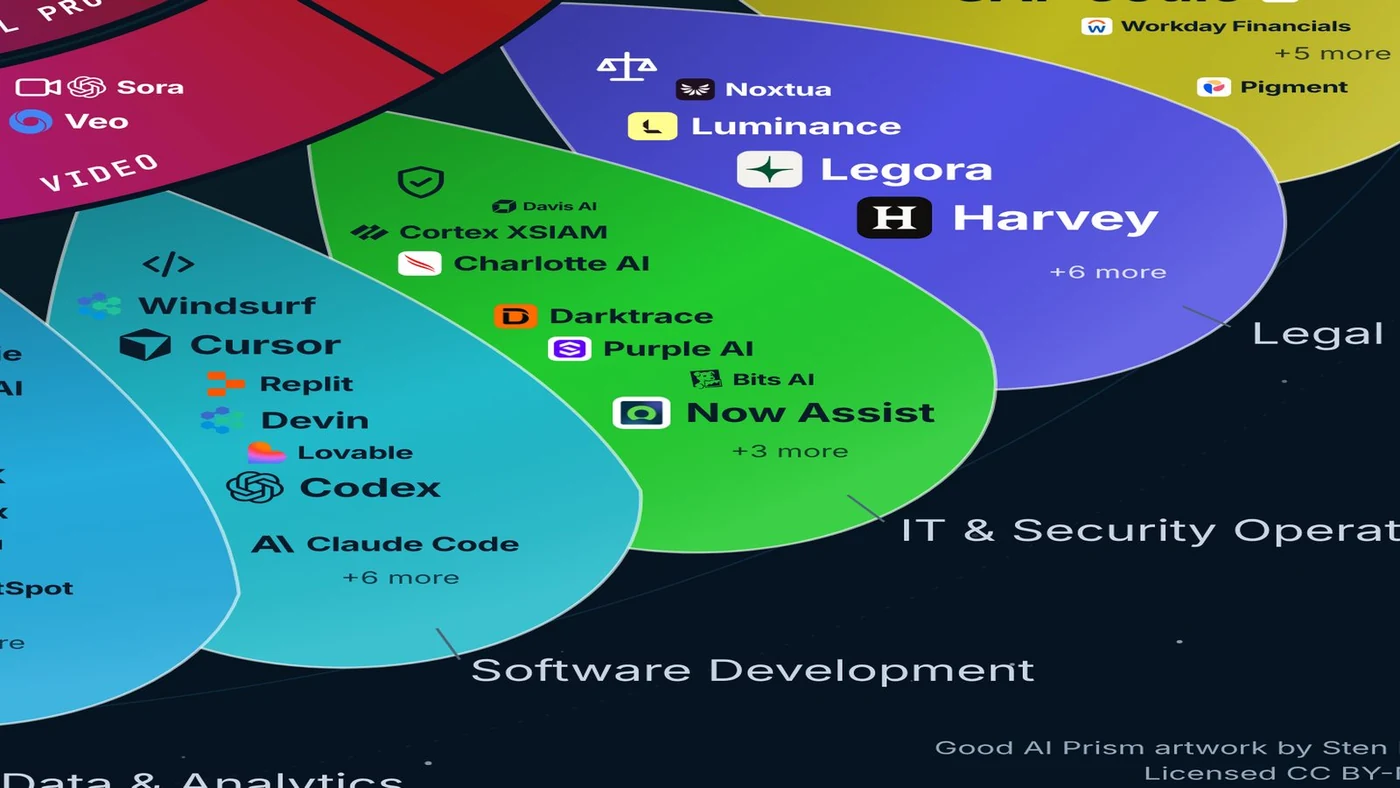
- 27
- AI offerings placed in IT & Security OperationsGood AI Prism, Oct 2026
- 1 in 5
- organisations reported a breach due to shadow AIIBM, Jul 2025 · newsroom.ibm.com ↗
- 97%
- of firms with AI breaches lacked AI access controlsIBM, Jul 2025 · newsroom.ibm.com ↗
- US$51.3bn
- AI cybersecurity spending in 2026, nearly double 2025Gartner, Sep 2026 · gartner.com ↗
Shadow AI makes breaches dearer.
High levels of shadow AI added US$670,000 to breach costs compared with low or none.
IBM, Jul 2025
Security AI shortens breaches.
Extensive AI and automation in security operations cut the breach lifecycle by 80 days and saved US$1.9m.
IBM, Jul 2025
Agents spread into every application.
Gartner expects a third of enterprise software applications to include agentic AI by 2028, up from under 1% in 2024.
Gartner, Jun 2025
How to use this page
Three tools and one offer turn this page into a decision.
- Open the IT & Security map: 27 offerings on one petal of the Good AI Prism, with logos and provider facts.
- Compare up to three offerings: decision facts side by side, each with its source and date.
- Run the Task economics calculator: turn saved hours into capacity you can attribute, before a pilot is approved.
- Offer: AI Estate Audit & Mapping: every AI tool, agent, pilot and licence mapped with cost, usage, vendor facts and risk.
Code security, fact by fact
Three code-security offerings profiled in the Software Development cohort, with certifications, data location and price, each sourced and dated.
Snyk DeepCode AI
Snyk · Product
According to Snyk: “Snyk's DeepCode AI code analyzer was designed to find, autofix, and prioritize vulnerabilities”
- Published price
- How it is billed
- Where data is stored
- Does it train AI on your data?
SonarQube AI CodeFix
Sonar · Product
According to Sonar: “AI CodeFix then proposes an edit that resolves the problem without changing the code's functionality.”
- Published price
- How it is billed
- Where data is stored
- Certificates and audit reports
GitLab Duo Agent Platform
GitLab · Platform
GitLab's agent layer for GitLab.com, Self-Managed and Dedicated where agents and flows turn issues into merge requests, review code and fix CI/CD pipelines, billed via GitLab Credits.
- Published price
- How it is billed
- Does it train AI on your data?
- Certificates and audit reports
Compare baseline: three code-security tools
Three registry cards from the Software Development cohort, compared on the facts a security buyer checks first.
| Offering | Certifications | Price | Deployment | Source |
|---|---|---|---|---|
| Snyk DeepCode AI | ISO 27001 · SOC 2 II | Free · from $25 /mo | SaaS · US · EU · AU | Snyk DeepCode AI documentation |
| SonarQube AI CodeFix | ISO 27001 · SOC 2 II | From $34 /mo | SaaS · self-managed | SonarQube AI CodeFix pricing |
| GitLab Duo Agent Platform | ISO 27001 · SOC 2 +3 | $1 per credit | SaaS · self-managed | GitLab Duo pricing page |
Registry facts as stated on each provider's own pages, read 21 Oct 2026. Add your own volumes in Compare before deciding.
Rules and dates
Risk classification starts with an inventory. These are the dates it serves.
- 2 Feb 2025
Prohibited practices and the AI literacy duty apply.
Reg. (EU) 2024/1689
- 2 Aug 2026
Art. 50: people must be told when they interact with an AI system.
Reg. (EU) 2026/1744
- 2 Dec 2027
Annex III high-risk duties apply, incl. employment, credit, education and justice.
Reg. (EU) 2026/1744
- 2 Aug 2028
High-risk duties apply to AI in regulated products.
Reg. (EU) 2026/1744
Read the evidence
Global edition · EN
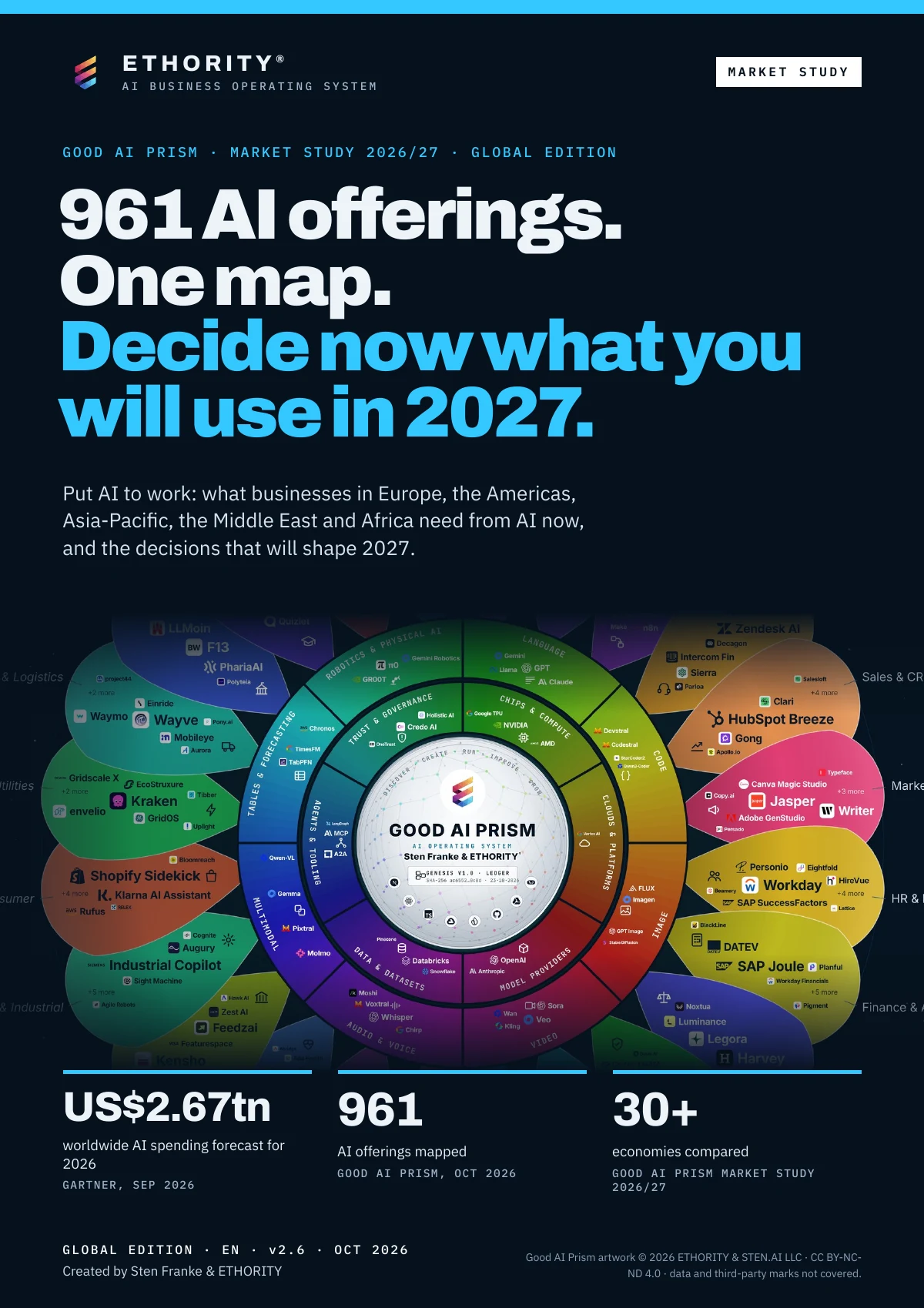
961 AI offerings. One map. Decide now what you will use in 2027.
The Good AI Prism helps you find useful AI and compare the evidence behind your options. For organisations already using AI, the question is moving from whether to use AI to which AI, how safely and whether it pays. This Global edition brings together 961 AI offerings across 24 topic areas, 8 data types and 6 technology layers, with sources, dates and limits to guide your next decision.
Version 2.6 · 90 pages
Open the study →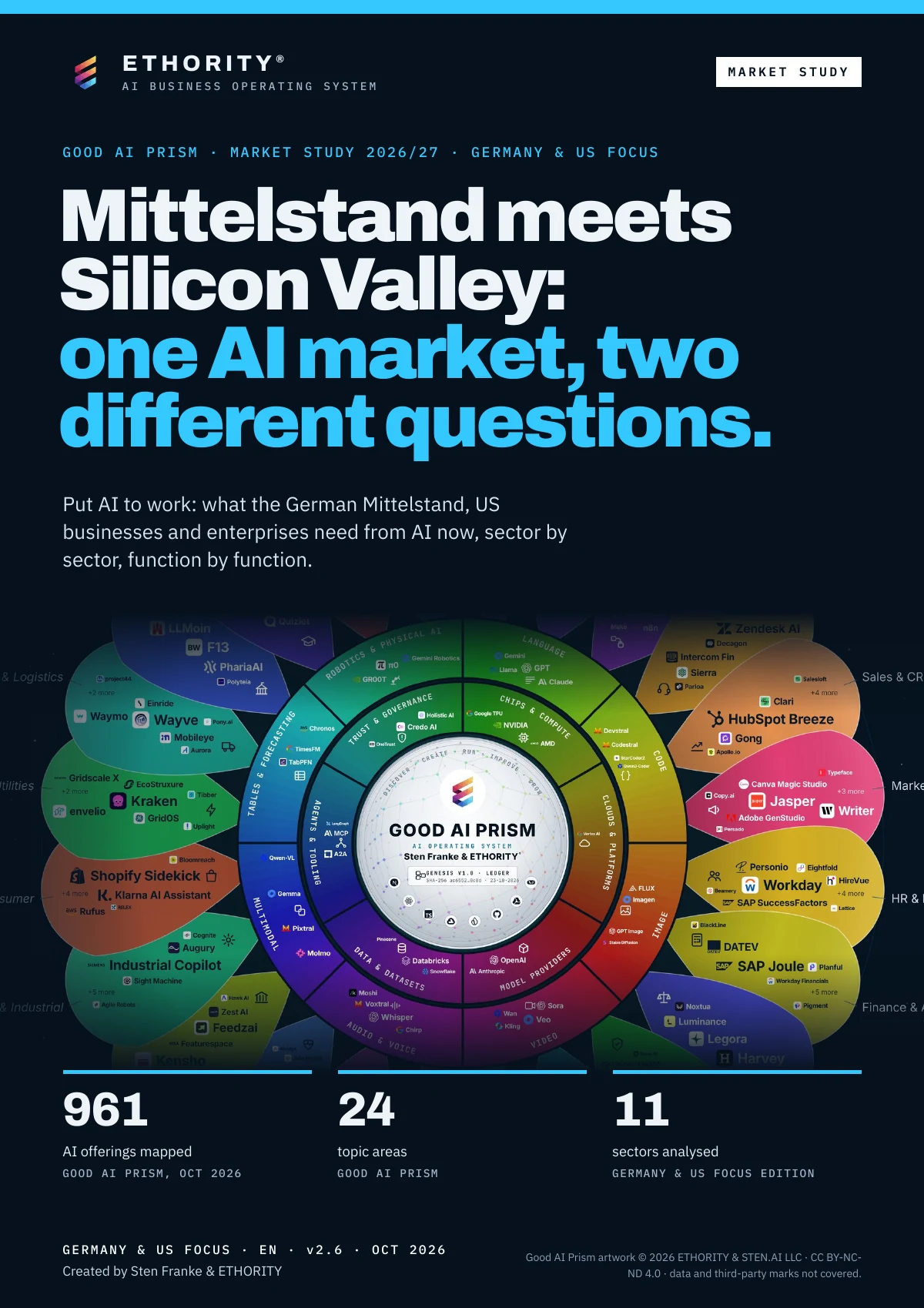
Germany & United States Focus · EN
Germany's mid-sized companies meet Silicon Valley: one AI market, two different questions.
The Mittelstand needs know-how; US firms need cost control. What German and US businesses need from AI now, sector by sector, function by function.
Version 2.6 · 72 pages
Open the study →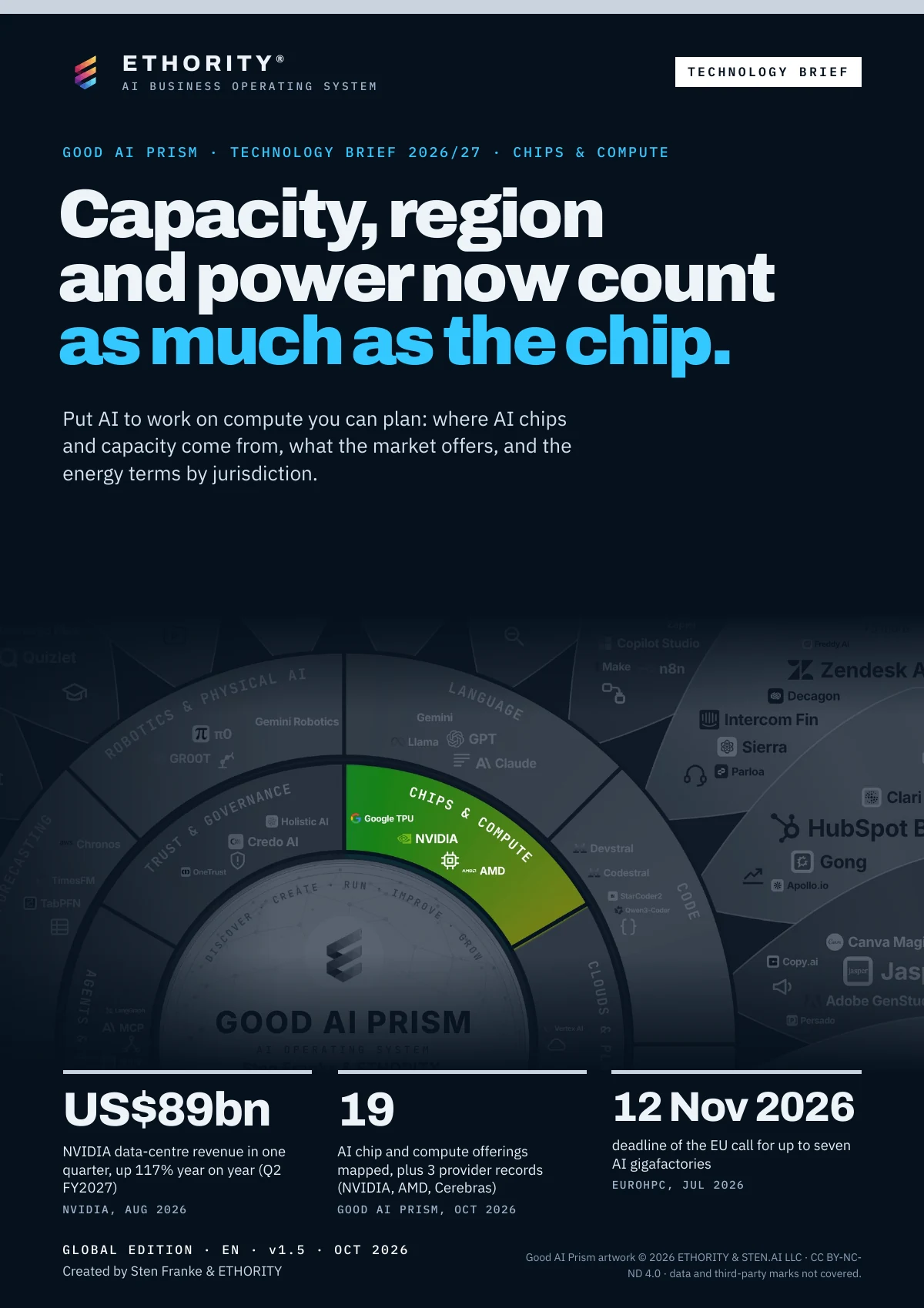
Global edition · EN
Compute that fits the work you run.
Capacity, region and energy terms count as much as chip performance. Where AI chips and capacity come from, what the market offers and the energy terms by jurisdiction.
Version 1.5 · 40 pages
Open the study →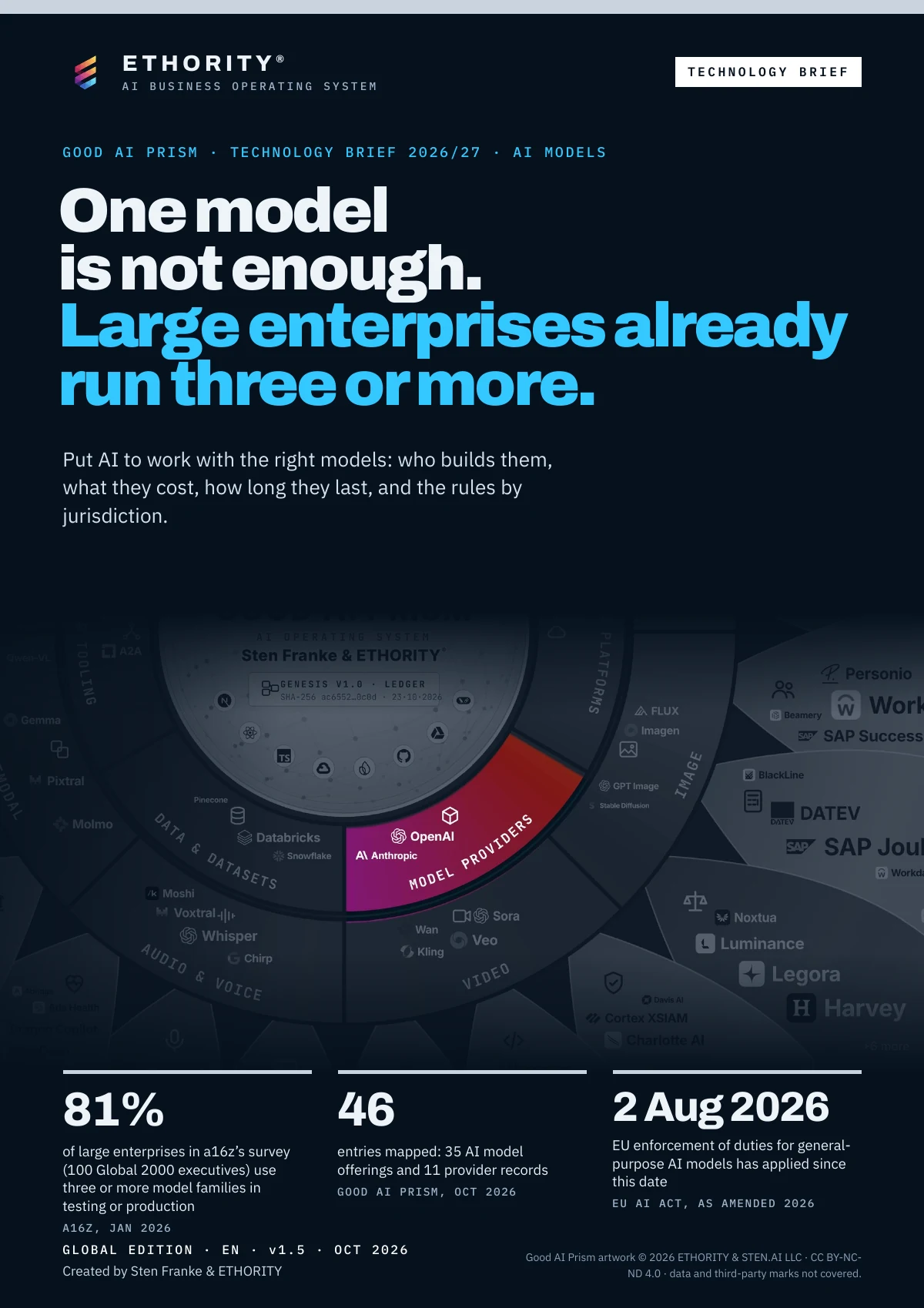
Global edition · EN
One model is not enough. Large enterprises already run three or more.
81% of large enterprises use three or more model families. Who builds AI models, what they cost, how long they last, and the rules by jurisdiction.
Version 1.5 · 38 pages
Open the study →Related insights
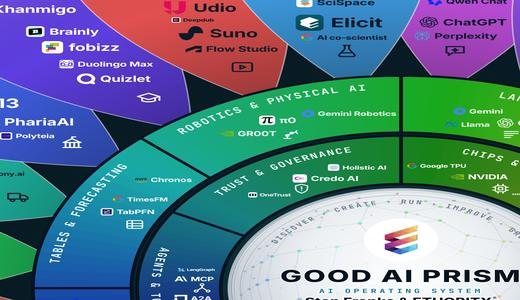
A list of AI agents does not control them.
What controls AI agents in daily operation: clear rights, a record of how well each fact is supported, checks matched to the risk, data limits and alerts when something changes.
See the map on one page →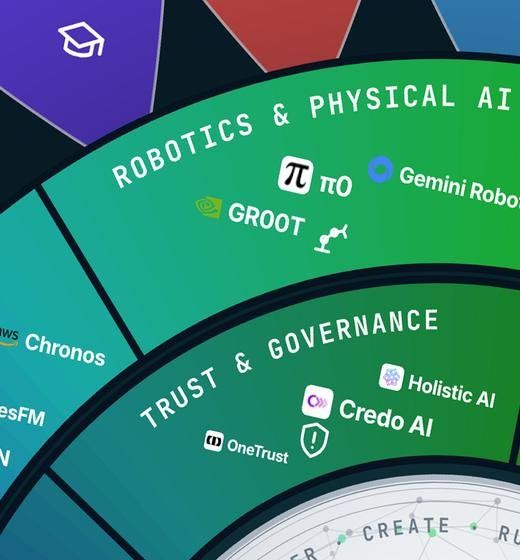
AI rules move from documents into daily operation.
Why AI agents, tools and constant change move AI governance – the rules and responsibilities for AI – into the systems that run your AI every day.
See the map on one page →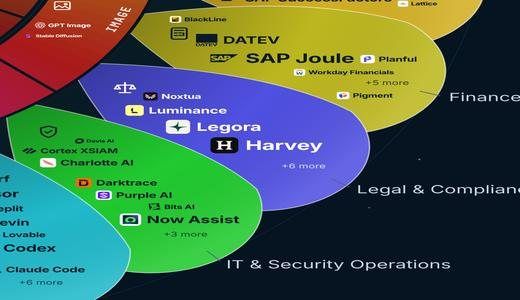
Preparing for the EU AI Act is the start; control happens in daily operation.
How to connect each EU AI Act duty to your systems, controls, evidence, monitoring and regular reassessment.
See the map on one page →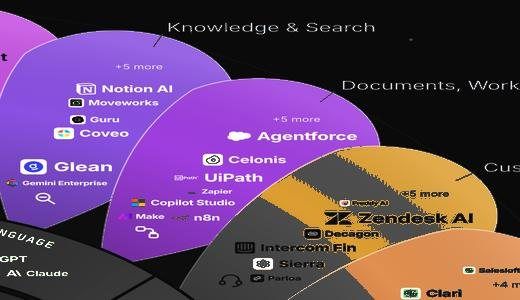
Access to a tool does not give an AI agent the right to act.
How to define what each AI agent may do: by action, limit, time and consequence, rather than by the tools it can reach.
See the map on one page →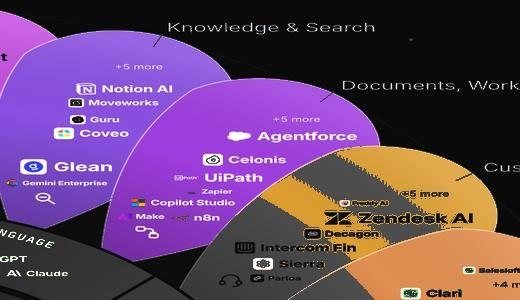
A marketplace listing does not make an AI agent trustworthy.
When you buy AI agents, keep identity, offer, payment, evidence and trust apart, and grant rights only after purchase.
See the map on one page →Implement it with ETHORITY
AI Estate Audit & Mapping
€25,000 one-time · net
Maps the AI systems, suppliers and dependencies in use across your organisation, so ownership and risk can be assigned.
Date and place by agreement
See what this package includes →AI Governance Setup
€19,500 one-time · net
Sets named owners, bounded authority, current evidence and a defined response to change for the AI you run.
Scope and delivery by agreement
See what this package includes →AI Trust Record
€4,500 net · one-time
One clear answer about one AI system before you depend on it: purpose, responsibility, evidence, known limits and an agreed review path.
Request scope and delivery
See what this package includes →Buyer questions
What is shadow AI and why does it matter?
AI tools used without approval or oversight. One organisation in five reported a breach due to it in the IBM breach report 2025.
Where do we start an AI inventory?
Combine expense data, SSO logs, browser extensions and network traffic, then record owner, data and permissions per tool. The governance-gap insight explains what to add next.
Does AI in security operations pay?
IBM found extensive use saved US$1.9m per breach and 80 days of breach lifecycle on average.
How do we compare code-security tools?
On certifications, data location and training terms, with sources. The Snyk registry card and SonarQube card show the same certifications but different data terms.
Which EU AI Act dates apply to our AI estate?
Transparency since 2 Aug 2026; high-risk Annex III duties from 2 Dec 2027. The AI Act readiness insight connects each duty to controls.
The evidence at a glance
ETHORITY · LONG READ
AI security spend nearly doubles to US$51.3bn. Inventory first.
One organisation in five has had a breach due to shadow AI, and 97% of those with AI breaches lacked access controls. Before buying more security AI, find the AI you already run.
AI security spending grows about twice as fast as AI spending overall. Gartner's September 2026 spending forecast puts AI cybersecurity spending at US$25.9bn in 2025, US$51.3bn in 2026 and US$86.0bn in 2027. That is nearly double in one year. IT and security teams buy AI for two reasons at once: to defend with it, and to defend against the AI their own organisation already runs.
The second reason is the newer one, and the Global Market Study 2026/27 names it as the business problem of this area: shadow AI and agent sprawl.
Shadow AI is now a breach cause
IBM's Cost of a Data Breach Report 2025 put numbers on what security leaders suspected. One in five organisations in the study reported a breach due to shadow AI: AI tools used without approval or oversight. Where shadow AI was high, it added US$670,000 to the cost of a breach compared with low or no shadow AI.
The AI systems themselves are targets too. 13% of organisations reported breaches of AI models or applications. Of those, 97% said they had no AI access controls in place. And 63% of breached organisations either had no AI governance policy or were still developing one.
97%. Organisations with a breach of an AI model or application that had no AI access controls in place (IBM, Jul 2025).
These are not exotic attacks. They are the ordinary failures of unmanaged software: nobody knows the tool is there, nobody set permissions, nobody owns it. The difference is that AI tools read and write large amounts of company data by design.
AI also pays in security operations
The same report shows the other side. Organisations that used AI and automation extensively in security operations saved an average of US$1.9m per breach and shortened the breach lifecycle by 80 days. The global average cost of a breach fell to US$4.44m, the first decline in five years, while the US average reached a record US$10.22m.
Survey data points the same way. In the McKinsey State of AI 2025, respondents most commonly reported cost benefits from AI in software engineering, manufacturing and IT, and named IT, with service-desk management, as one of the two functions where agents are used most. The August 2026 edition confirms that organisations scale agents most often in IT, knowledge management and software engineering.
So IT is both an early winner and the place where uncontrolled AI piles up. The task is to keep the first and remove the second.
80 days shorter breach lifecycle where AI and automation were used extensively in security operations, saving US$1.9m per breach on average (IBM, Jul 2025).
Agents multiply the inventory problem
An inventory of AI tools was hard enough when the tools were chat windows. Agents act: they call systems, move data and trigger workflows. Gartner's June 2025 forecast expects 33% of enterprise software applications to include agentic AI by 2028, up from under 1% in 2024. Every one of those features is a potential new actor on your network.
Dependencies make it harder still. The Good AI Prism's verified relations show many applications resting on a few hubs: Zendesk, Salesforce and the Model Context Protocol on the application side, and OpenAI, Anthropic, Amazon Bedrock and Hugging Face underneath. A change or incident at one hub can reach many products at once. ETHORITY's insight Inventories list agents. They don't govern them. explains why a list alone is not enough: control needs authority, evidence state, data boundaries and change detection at runtime.
What the Prism shows about this area
The Good AI Prism places 27 AI offerings in IT & Security Operations, from AI-assisted security operations to IT service management and code security. Two code-security offerings profiled in the Software Development cohort show the facts a security buyer needs.
Exhibit: what a security buyer can already check on two registry cards
| Decision fact | Snyk DeepCode AI | SonarQube AI CodeFix |
|---|---|---|
| Certifications stated | ISO 27001, SOC 2 Type II | ISO 27001, SOC 2 Type II |
| Data location | EU region available | EU default (Frankfurt) |
| Price | Free tier; from US$25 a month | From US$34 a month |
Source: Good AI Prism Registry, provider pages read 20 Oct 2026.
The Snyk DeepCode AI card and the SonarQube AI CodeFix card show why sourced facts matter in security: the same certification pair and different data locations. The registry records each statement with its source page, read date and evidence class.
Best practice. Pair every ban with a sanctioned alternative and a request route for new tools. Then report the shadow-AI share each month, next to incidents and mean time to resolve, so the policy is judged by what it changes.
The rules add dates
In Europe, the AI Act turns inventory into a duty with deadlines. Under Regulation (EU) 2026/1744, Article 50 transparency duties apply since 2 Aug 2026; high-risk duties for Annex III uses apply from 2 Dec 2027, and for high-risk AI in regulated products from 2 Aug 2028. A security team cannot classify risks for systems it does not know about. The ETHORITY insight AI Act readiness is not operational control shows how to connect each obligation to systems, controls and evidence.
Measure what matters
The study names three outcomes for this area: mean time to resolve, incidents, and the share of AI use that is shadow AI. The first two are standard IT metrics. The third is new, and it is the one most organisations cannot yet report. It is also the one IBM links to breach costs.
Cost belongs in the same report. The Global Market Study records that only 26% of large US firms see their AI costs in real time (KPMG AI Pulse, Q2 2026), and only 21% of organisations have mature agent governance (Deloitte). Security AI is often billed by data volume, events or usage. Without cost per detection or cost per resolved incident, a team cannot tell whether a new AI capability replaced work or simply added a bill. Put the cost line next to the three outcome measures from the first month of any pilot, and review all four together.
What to do Monday
- Find the AI already in use. Combine expense reports, SSO logs, browser-extension inventories and network traffic to list AI tools and agents. Record owner, data touched and permissions.
- Set access controls on every AI system you keep. IBM's 97% finding shows this is the most common gap.
- Map dependencies. For each AI system, record the model, cloud and integration hubs it relies on, so one supplier incident does not surprise you.
- Publish a shadow-AI policy with an approved alternative. A ban without a sanctioned tool moves usage out of sight.
- Start reporting the shadow-AI share. Track it next to incidents and mean time to resolve. The AI Estate Audit & Mapping service builds this inventory and dependency map in one engagement.
The Good AI Prism keeps every registry fact sourced and dated, so a security shortlist can start from evidence rather than from a vendor deck.
Sources and further reading
- Gartner: Worldwide AI spending to grow 49.5% in 2026 ↗ · 16 Sep 2026
- IBM: Cost of a Data Breach Report 2025, press release ↗ · 30 Jul 2025
- McKinsey: The state of AI in 2025 (1,993 respondents, 105 countries) ↗ · 5 Nov 2025
- McKinsey: The state of AI, August 2026 edition (1,719 respondents, 97 countries) ↗ · 25 Aug 2026
- Gartner: Over 40% of agentic AI projects will be canceled by end of 2027 ↗ · 25 Jun 2025
- Regulation (EU) 2026/1744 (Digital Omnibus on AI, amending the AI Act) ↗ · in force 27 Jul 2026
- Good AI Prism Global Market Study 2026/27 (ETHORITY) → · 22 Oct 2026
- Good AI Prism Registry cards, provider pages read 20 Oct 2026 (ETHORITY) → · 20 Oct 2026
Put the thinking to work
AI Governance Setup →
A repeatable governance process people can operate and review. Framework mapping is not an ISO certificate or legal opinion.
A written comparison of up to three AI offerings · €195 net →
Start with one question and up to three offerings. Request a sourced comparison, provider questions and a cost sketch using your assumptions.
YOUR NEXT STEP
Discuss your question with Sten Franke.
Bring your business question or the figures you already know. ETHORITY investigates within the agreed scope; together with Sten Franke you agree the next piece of work.