 ETHORITY®
GOOD AI PRISM · TOPIC AREA · CUSTOMER SERVICE
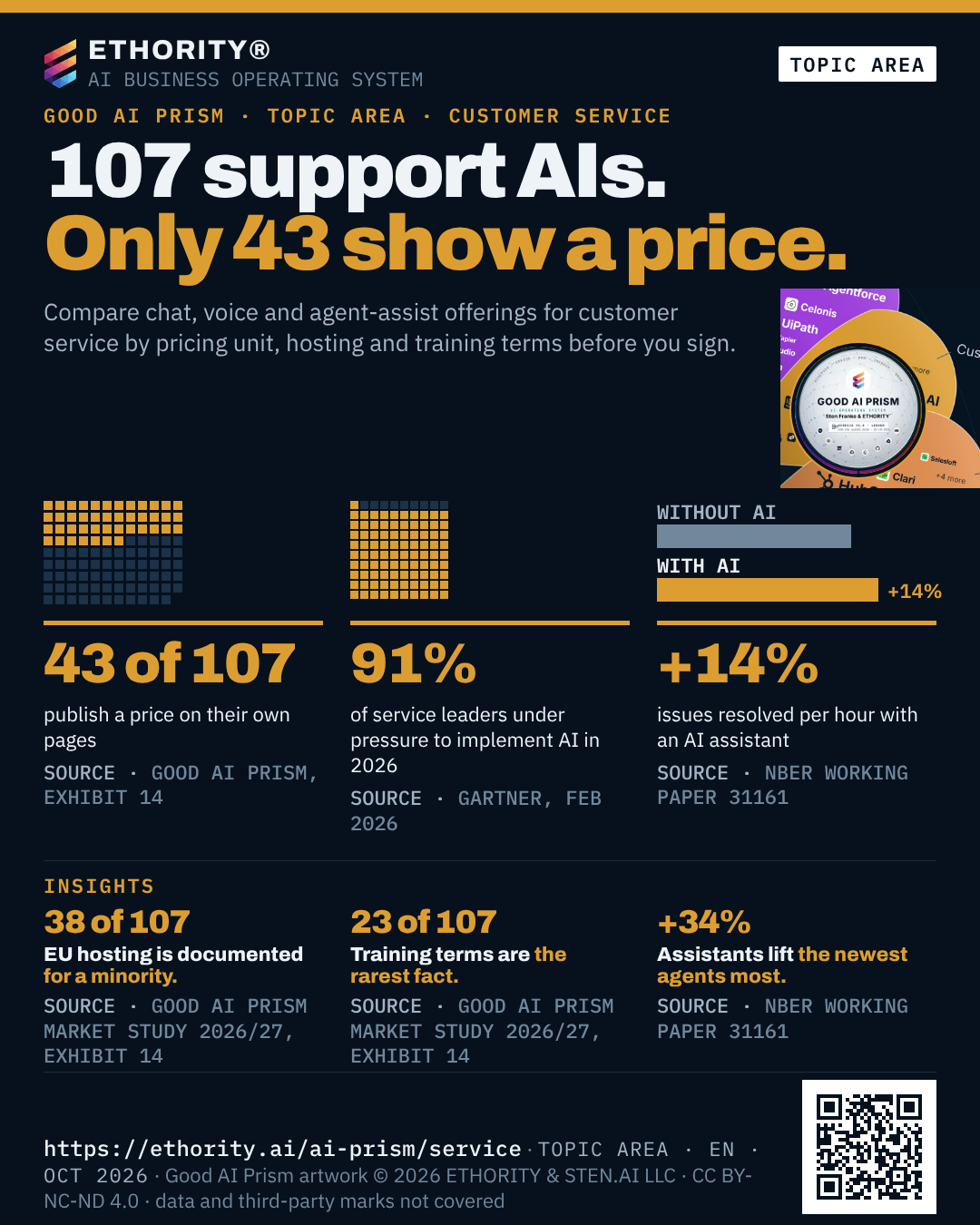
107 support AIs. Only 43 show a price.
Compare chat, voice and agent-assist offerings for customer service by pricing unit, hosting and training terms before you sign.
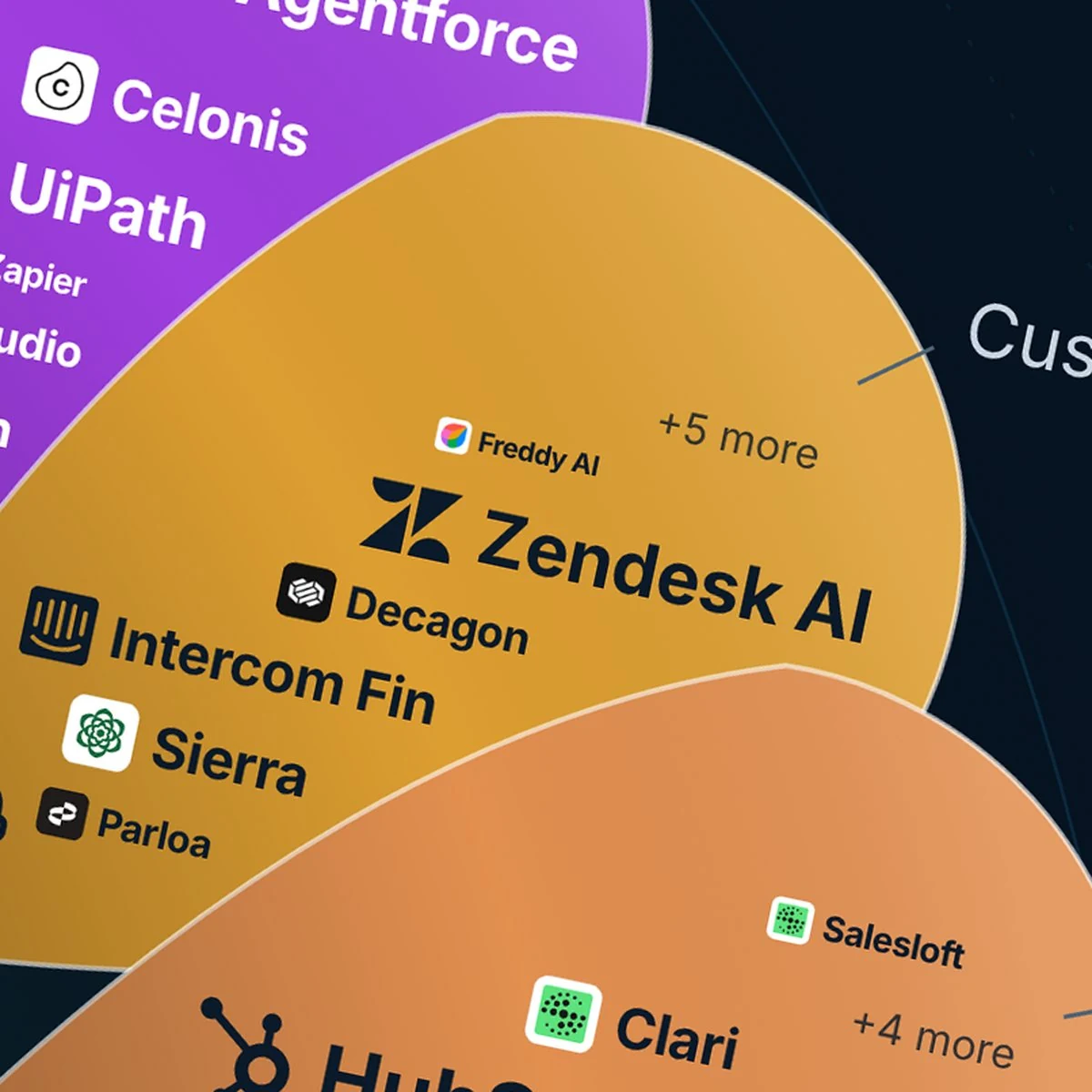
- 107
- customer-service AI offerings with decision researchGood AI Prism, Oct 2026 · ethority.ai ↗
- 43 of 107
- publish a price on their own pagesGood AI Prism, Exhibit 14 · ethority.ai ↗
- 91%
- of service leaders under pressure to implement AI in 2026Gartner, Feb 2026 · gcom.pdo.aws.gartner.com ↗
- +14%
- issues resolved per hour with an AI assistantNBER Working Paper 31161 · nber.org ↗
EU hosting is documented for a minority.
Only 38 of 107 offerings state an EU hosting option on a first-party page.
Good AI Prism Market Study 2026/27, Exhibit 14
Training terms are the rarest fact.
23 of 107 document that customer data is not used for training or only with opt-in.
Good AI Prism Market Study 2026/27, Exhibit 14
Assistants lift the newest agents most.
In a field study of 5,179 agents, less experienced staff gained 34% in resolutions per hour.
NBER Working Paper 31161
How to use this page
Three tools and one offer turn this page into a decision.
- Open the Customer Service map: 107 offerings on one petal of the Good AI Prism, with logos and provider facts.
- Compare up to three offerings: decision facts side by side, each with its source and date.
- Run the Task economics calculator: turn saved hours into capacity you can attribute, before a pilot is approved.
- Offer: Enterprise AI Opportunity Case: a service agent compared with real alternatives, including no AI, with a PILOT, REDESIGN, EXPAND or STOP decision.
Twelve profiles, fact by fact
Each card shows pricing unit, hosting, training terms and integrations with a dated provider source.
Dialpad Support
Dialpad · Platform
- Published price
- How it is billed
- Where data is stored
- Does it train AI on your data?
Twilio ConversationRelay
Twilio · Tool
Developer building block that connects a company's own LLM-based voice agent to phone calls with speech recognition and synthesis handled by Twilio.
- Published price
- How it is billed
- Does it train AI on your data?
- Certificates and audit reports
NFON AI VoiceBot
NFON · Agent
AI reception and voicebot integrated into NFON cloud telephony that greets callers, answers frequent questions and routes calls around the clock.
- How it is billed
- Where data is stored
- Does it train AI on your data?
- Certificates and audit reports

Ada
Ada · Product
AI agents that answer customers by phone, messaging and email and can carry out actions.
- Where data is stored
- Certificates and audit reports
- Connects with

Agentforce
Salesforce · Platform
Salesforce’s platform to build and run AI agents inside Salesforce, priced by consumption, by conversation or per user.
- Published price
- How it is billed
- Does it train AI on your data?
- Certificates and audit reports
Agentforce Service
Salesforce · Product
Salesforce’s AI for customer service. The service AI page leads with: “AI in the flow of work and your unmetered employee agent, all in one.”
- Published price
- How it is billed
- Does it train AI on your data?
- Certificates and audit reports

Cognigy
NiCE (Cognigy GmbH) · Product
A platform to build and run AI agents for contact centres by phone, chat and messaging, plus a copilot for service staff.
- How it is billed
- Where data is stored
- Does it train AI on your data?
- Certificates and audit reports

Freddy AI
Freshworks · Product
AI in Freshworks’ help desk: a self-service agent for customers and a copilot that helps service staff answer faster.
- Published price
- How it is billed
- Where data is stored
- Connects with

Genesys Cloud AI
Genesys · Product
A contact-centre platform with AI agents (“Agentic Virtual Agent”), copilots for agents and supervisors, and AI Studio.
- Published price
- How it is billed
- Where data is stored
- Does it train AI on your data?

Intercom Fin
Intercom · Product
An AI agent that answers customer requests and is billed per outcome; Intercom states Fin works with “no seats required”.
- Published price
- How it is billed
- Where data is stored
- Does it train AI on your data?

PolyAI
PolyAI Ltd · Product
AI agents that answer customer phone calls and can continue the same conversation in chat, SMS and messaging.
- How it is billed
- Where data is stored
- Does it train AI on your data?
- Certificates and audit reports

Zendesk AI
Zendesk · Product
AI agents inside Zendesk that answer customer requests; Zendesk bills them per “automated resolution”.
- Published price
- How it is billed
- Where data is stored
- Certificates and audit reports
Compare baseline: three data postures
German data centres, EU regions with opt-in training, and a training opt-out: three postures a buyer must choose between.
| Offering | Deployment | Certifications | Training | Source |
|---|---|---|---|---|
| NFON AI VoiceBot | SaaS · German DCs | BSI C5 Type 1 | Not used for training | NFON assistant FAQ |
| Genesys Cloud AI | SaaS · AWS · EU regions | ISO 27001 · 42001 + | Opt-in only | Genesys Cloud AI guardrails |
| Intercom Fin | SaaS · US · EU · AU | SOC 2 · ISO 27001 +4 | Opt-out available | Intercom Fin training terms |
Registry facts as stated on each provider's own pages, read 20 Oct 2026. Add your own volumes in Compare before deciding.
Rules and dates
The dates every chat and voice flow must meet.
- 2 Feb 2025
Prohibited practices and the AI literacy duty apply.
Reg. (EU) 2024/1689
- 2 Aug 2026
Art. 50: people must be told when they interact with an AI system.
Reg. (EU) 2026/1744
- 2 Dec 2026
Machine-readable marking for generative systems already on the EU market.
Reg. (EU) 2026/1744
- 2 Dec 2027
Annex III high-risk duties apply, incl. employment, credit, education and justice.
Reg. (EU) 2026/1744
The studies behind the numbers
New: the Customer Service function brief, first edition of 27 Oct 2026. Exhibit 14 of the Global Market Study 2026/27 reviews 107 customer-service offerings; the Germany & US Focus edition reads them for the Mittelstand.
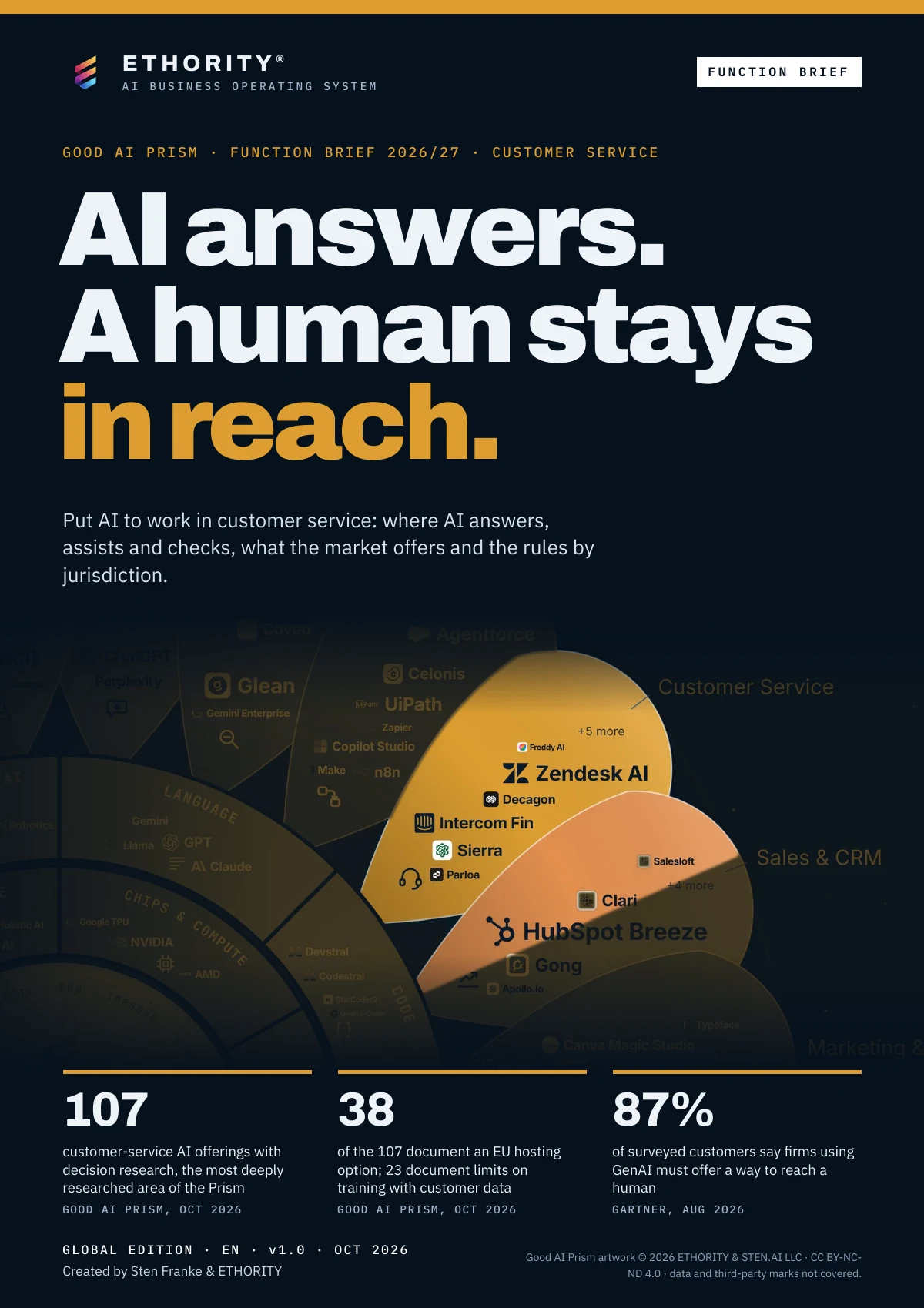
Global edition · EN
AI answers. A human stays in reach.
Answered is not solved: 87% of surveyed customers want a way to reach a human. Where AI answers, assists and checks, what 107 offerings do and the rules.
Version 1.0 · 42 pages
Open the study →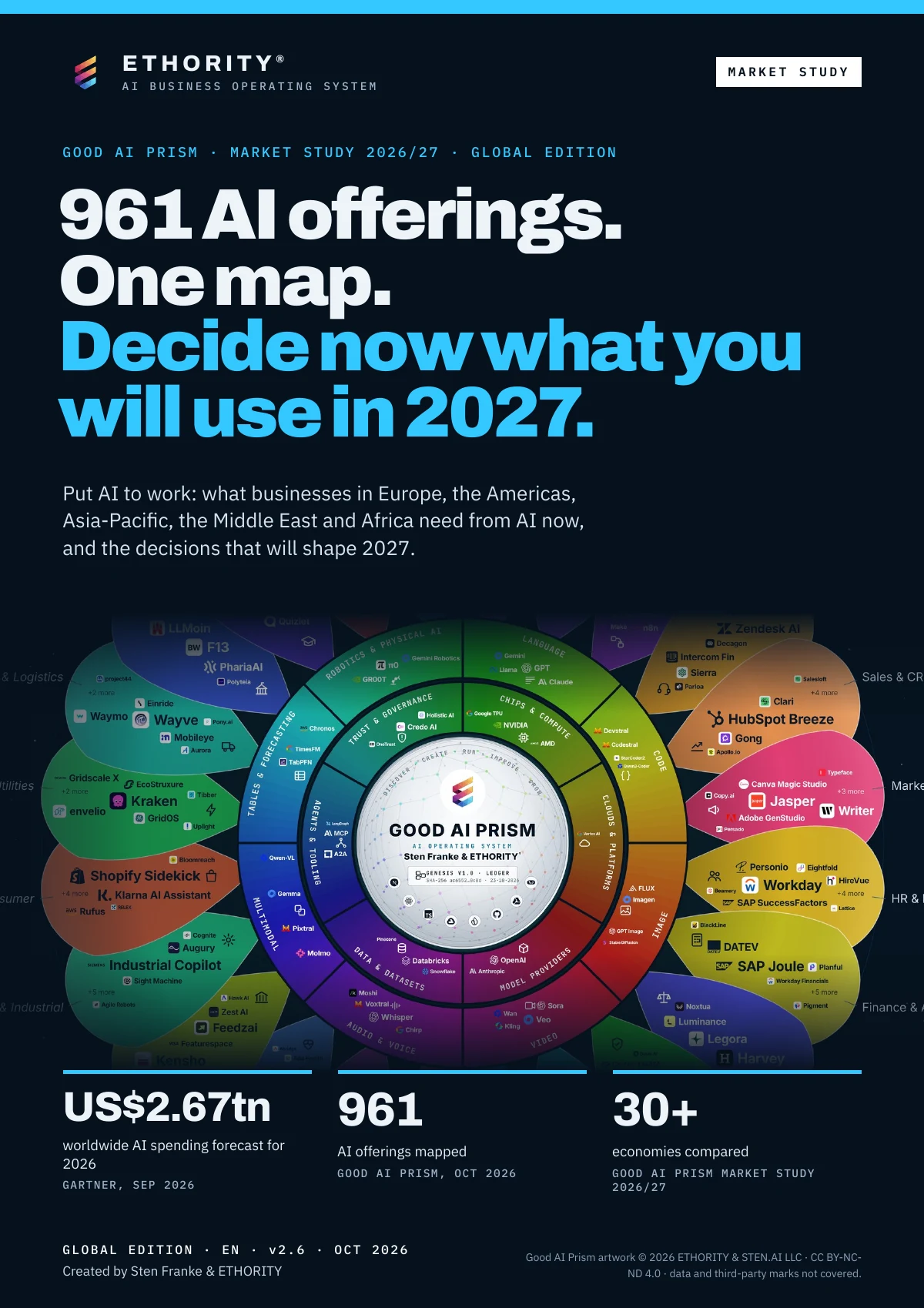
Global edition · EN
961 AI offerings. One map. Decide now what you will use in 2027.
The Good AI Prism helps you find useful AI and compare the evidence behind your options. For organisations already using AI, the question is moving from whether to use AI to which AI, how safely and whether it pays. This Global edition brings together 961 AI offerings across 24 topic areas, 8 data types and 6 technology layers, with sources, dates and limits to guide your next decision.
Version 2.6 · 90 pages
Open the study →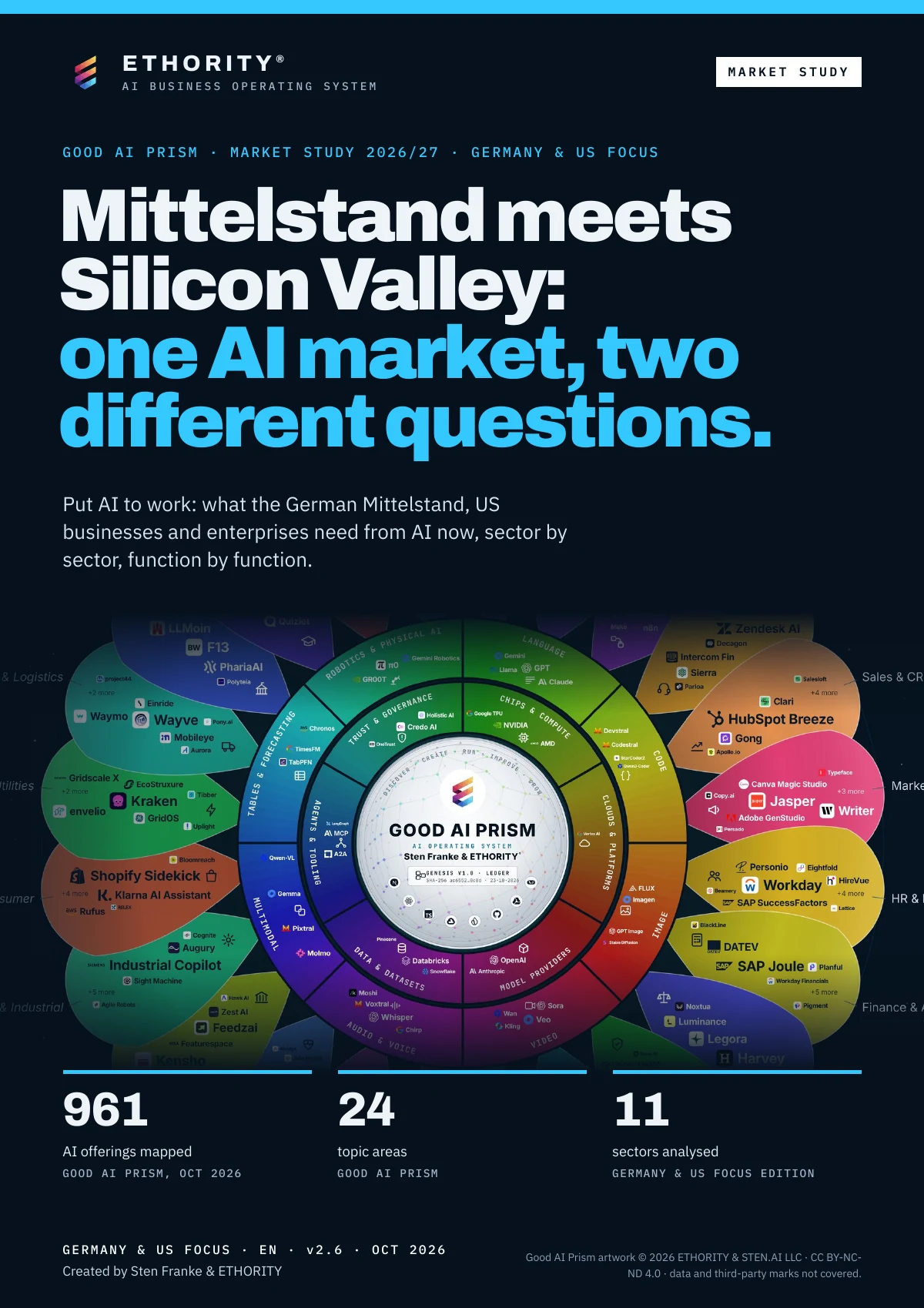
Germany & United States Focus · EN
Germany's mid-sized companies meet Silicon Valley: one AI market, two different questions.
The Mittelstand needs know-how; US firms need cost control. What German and US businesses need from AI now, sector by sector, function by function.
Version 2.6 · 72 pages
Open the study →Read on
Our long read on support AI pricing, plus two guides on testing vendor claims and attributing AI value.
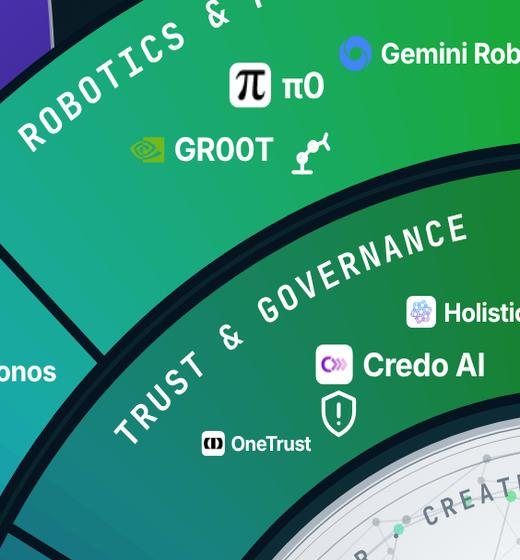
Check every vendor claim before you rely on it.
Tie every vendor claim to the exact product, version, contract and use before you rely on it.
See the map on one page →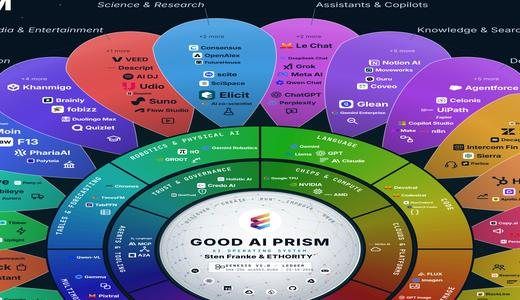
Saved hours are not AI value.
Separate a better task, freed-up time and a business result, so you can show the value AI really delivers.
See the map on one page →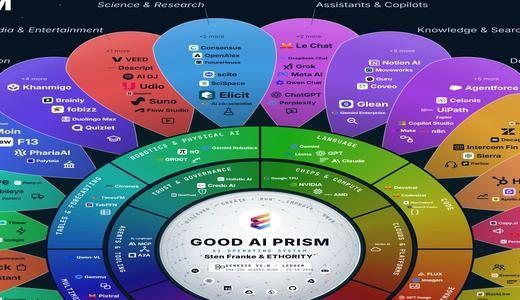
961 AI offerings. Start with the job, not the tool.
A method for going from one business need to a shortlist of AI offerings you can defend.
See the map on one page →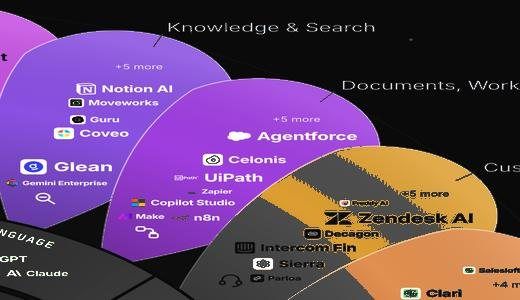
Access to a tool does not give an AI agent the right to act.
How to define what each AI agent may do: by action, limit, time and consequence, rather than by the tools it can reach.
See the map on one page →
AI does not scale by itself. Redesign the work.
Start with one objective, choose the simplest approach for each task and measure the cost of every result you accept.
See the map on one page →Implement it with ETHORITY
Three ways to move from shortlist to a measured decision.
AI Decision Brief
€195 net · one-time
A written comparison of up to three customer-service offerings from your Compare selection, each fact with source, date and the questions to ask before signing.
Request scope and delivery
See what this package includes →Enterprise AI Opportunity Case
Priced after scoping
A business case for a service agent with a PILOT, REDESIGN, EXPAND or STOP decision, built on your volumes and cost per resolution.
Scope and delivery by agreement
See what this package includes →AI Trust Pilot
€25,000 net · one-time
A six-week governed pilot with named owners, a stop rule and measured outcomes before the agent scales.
Request scope and delivery
See what this package includes →Buyer questions
Which facts should decide a customer-service AI shortlist?
Six: pricing unit, published price, hosting region, use of your data for training, integrations with CRM and ticketing, and stated limits. In the Global Market Study, 64 of 107 offerings state a pricing unit and 38 an EU hosting option.
How much productivity can we expect?
The best field evidence shows +14% issues resolved per hour for an assistant that supports agents, and +34% for less experienced staff (NBER Working Paper 31161). Fully autonomous agents have no comparable independent study yet; measure your own baseline first.
Per minute, per resolution or per seat: which pricing is cheaper?
It depends on volume, call length and how 'resolved' is defined. Twilio ConversationRelay lists from $0.07 per minute; NFON sells a monthly subscription. Normalise to cost per resolved contact at your own volume before comparing.
Does a missing price or hosting fact mean the product cannot do it?
No. It means the provider has not published it. Treat it as a written question for the provider, and give weight to providers that answer quickly and on the record.
What does the EU AI Act require from a chat or voice bot today?
Since 2 Aug 2026, Article 50 requires that people are told they are interacting with an AI system (Regulation (EU) 2026/1744). Build the notice into every flow from launch.
The evidence at a glance
ETHORITY · LONG READ
Support AI must ship in 2026. Most prices stay private.
Nine in ten service leaders are under pressure to deploy AI. Of 107 offerings we reviewed, 64 keep the price off their pages. Here is how to compare them anyway.
Customer service is the first business function where AI buying has become a board-level deadline. In a Gartner survey published in February 2026, 91% of customer service leaders said they were under pressure to implement AI this year. The pressure is real. The price list is not. When ETHORITY reviewed 107 customer-service AI offerings for the Good AI Prism Global Market Study, only 43 published a price on their own pages. The other 64 asked buyers to talk to sales first.
That gap shapes every shortlist. A buyer can see that a product exists, what it promises and which channels it covers. The facts that decide a contract, such as the pricing unit, the hosting region and the use of customer data for training, sit on a pricing page for some providers, in a trust centre for others and nowhere public for many.
60 of 107 talk to customers; only 10 help the human agent
The Prism places offerings where the work happens. In Customer Service that means chat and voice agents, agent assist, knowledge and self-service, and omnichannel suites. The 107 offerings in the study were chosen by buyer job, not by size or popularity, and each fact carries a dated first-party source.
Read across the cohort, the documentation thins out quickly. Hosting is described at all for 88 of 107. Named integrations appear for 77. A transparent pricing unit, meaning something other than "contact sales", appears for 64. A published price appears for 43. An EU hosting option is documented for 38. A stated limit on training with customer data, either "not used" or "only with opt-in", appears for 23.
Those numbers describe what providers publish, not what their products can do. A missing page is a question for the provider, not a verdict. But for a European buyer with data-protection duties, the two facts that matter most, where the data lives and whether it trains someone else's model, are the two facts least often on the record.
64 of 107 customer-service AI offerings state a transparent pricing unit. That is the minimum a finance team needs to model cost per resolution.
What the evidence says the tools can do
The strongest independent evidence on support AI is still a field study. Brynjolfsson, Li and Raymond tracked 5,179 support agents and found that a generative AI assistant raised issues resolved per hour by 14% on average, and by 34% for less experienced agents. Customer sentiment improved and staff turnover fell.
The study measured an assistant that helps a human agent. It did not measure a fully autonomous agent that closes cases on its own. That distinction matters for 2026 buying, because most vendors now market agents. Gartner expects over 40% of agentic AI projects to be cancelled by the end of 2027, mostly on cost, unclear value or weak risk controls. The safer reading of the evidence: start where a human stays in the loop, measure resolutions and quality, then widen the agent's scope as the numbers hold.
+34% resolutions per hour for less experienced agents with an AI assistant, in a field study of 5,179 support agents (NBER Working Paper 31161).
Three pricing logics, three cost curves
The 12 Customer Service profiles in the Registry show how differently providers charge. Twilio ConversationRelay publishes a usage price, from $0.07 per minute plus voice charges. NFON's AI VoiceBot sells a monthly subscription. Several suites bundle AI into seats or editions and quote the rest.
Each logic produces a different cost curve. Per-minute pricing scales with call volume and call length. Per-resolution pricing rewards the provider when the bot closes a case, so the definition of "resolved" becomes a contract term. Seat pricing looks predictable until the AI starts handling work that used to need seats. A buyer who compares these on list price alone compares three different things. Put two or three candidates into Compare side by side and normalise to one unit: cost per resolved contact at your own volume.
Scenario. A queue of 10,000 voice contacts a month at four minutes each uses 40,000 minutes. At Twilio's listed ConversationRelay rate of US$0.07 per minute, that is US$2,800 a month before voice charges. On a per-resolution plan the same queue costs whatever "resolved" means in your contract, so write that definition first.
Where the data lives, and what it trains
Hosting and training terms divide the cohort more sharply than features. NFON states that its bots run in German data centres. Dialpad states that permanent data, including recordings and transcripts, is stored in the United States. Genesys and Ada state that customer data trains models only with opt-in. Intercom documents a training opt-out for Fin, which means the default matters. Agentforce, Cognigy and Zendesk document how third-party model providers treat data, which answers part of the question but not the provider's own use.
None of these terms is right or wrong in the abstract. Each is right or wrong for a given contract, data class and jurisdiction. What changes in 2026 is that the questions now have dates. Under the AI Act, as amended by Regulation (EU) 2026/1744, the Article 50 transparency duties apply from 2 Aug 2026: people must be told when they are dealing with an AI system. A voice bot that does not say it is a bot is now a compliance issue, not a design choice.
What a defensible contract contains
The evidence points to a short list of contract terms that turn a promising pilot into a service you can run. First, a written definition of a resolved contact, including what happens when a customer comes back within seven days. Second, the pricing unit and the price at three volume levels: today, double and half. Third, the hosting region for transcripts, recordings and logs, not only for the application. Fourth, a statement on whether your data trains the provider's own models, and how to switch it off if the default is on. Fifth, an exit clause that returns your knowledge articles, conversation logs and bot configurations in a usable format.
None of these terms is exotic. Most procurement teams already use them for telephony or CRM contracts. What is new is that support AI combines all of them in one product, and that the provider's answers can change with each model release. Ask for the version and date of every answer, and keep them with the contract.
Why the documentation gap is a buying signal
Providers that publish their pricing unit, hosting regions and training terms make a buyer's work shorter. Those that do not are not necessarily worse, but they move the burden of proof into the sales cycle. ETHORITY's companion piece on why a vendor claim is not evidence sets out how to tie every claim to a product, version and contract before relying on it.
The practical consequence: treat documentation as a selection criterion. A provider that can answer the six decision questions in writing within a week is easier to govern for the next three years.
What to do Monday
- Name the job and the measure. Pick one queue, such as order status or password resets, and set the baseline: cost per resolution, resolution rate and CSAT. Our note on saved hours versus value explains why hours alone mislead.
- Shortlist three, not thirty. Start from the Customer Service area map and pick three offerings that cover your channel, language and hosting needs.
- Ask the six questions in writing. Pricing unit, published price, hosting region, training on your data, integrations with your CRM and ticketing, and the provider's own limits.
- Pilot assist before autonomy. Run an agent-assist pilot for six weeks with a stop rule, then decide whether to widen scope.
- Check the Article 50 notice. Every chat and voice flow should tell customers they are talking to AI from day one.
If the shortlist needs a written basis for a budget decision, the AI Decision Brief compares up to three offerings fact by fact, and the Sales & CRM topic area covers the systems your service agents hand cases to.
Sources and further reading
- ETHORITY, Good AI Prism Global Market Study 2026/27, Exhibit 14 → · 22 Oct 2026
- Gartner, 91% of customer service leaders under pressure to implement AI in 2026 ↗ · 18 Feb 2026
- Brynjolfsson, Li & Raymond, Generative AI at Work, NBER Working Paper 31161 ↗ · Apr 2023 (QJE 2025)
- Gartner, over 40% of agentic AI projects will be canceled by end of 2027 ↗ · 25 Jun 2025
- Regulation (EU) 2026/1744 (Digital Omnibus on AI) ↗ · in force 27 Jul 2026
- Twilio, Conversational AI pricing (ConversationRelay) ↗ · read 20 Oct 2026
- NFON, Intelligent Assistant FAQ ↗ · read 20 Oct 2026
- Dialpad, Trust centre ↗ · read 20 Oct 2026
- Intercom, AI model training and fine-tuning ↗ · read 20 Oct 2026
- Genesys, Guardrails of Genesys Cloud AI ethics ↗ · read 20 Oct 2026
Put the thinking to work
AI Opportunity Case →
A defensible proceed, test, redesign, defer or stop decision. The fee is independent of which outcome the evidence supports.
A written comparison of up to three AI offerings · €195 net →
Start with one question and up to three offerings. Request a sourced comparison, provider questions and a cost sketch using your assumptions.
YOUR NEXT STEP
Discuss your question with Sten Franke.
Bring your business question or the figures you already know. ETHORITY investigates within the agreed scope; together with Sten Franke you agree the next piece of work.